
When an engine goes, it can feel like a fork in the road: do an engine rebuild, or move the car on. If you’re here, you’re likely leaning towards a car repair – you just want the right replacement engine at a fair price, without buying the wrong unit.
A replacement car engine is often a practical solution if the rest of the car is sound. The job usually comes down to two things: getting the correct match for your vehicle, and being clear on what you’re buying (engine code, condition, and what’s included).
One thing that’s worth deciding early is how you want to source the car engine:
Both can work. They just need slightly different prep.
Sometimes you’ll already have a clear diagnosis. Other times, you’ll have symptoms and a strong suspicion, but not a definite answer yet.
Either way, before you spend money and time on an engine rebuild (or any kind of car repair), it helps if the conclusion is based on something concrete. Ask a garage for:
Engine replacement is more likely after major overheating, oil starvation, timing belt/chain failure, or serious loss of compression. If you can get the findings in writing, it also helps when you’re speaking to suppliers and comparing quotes.
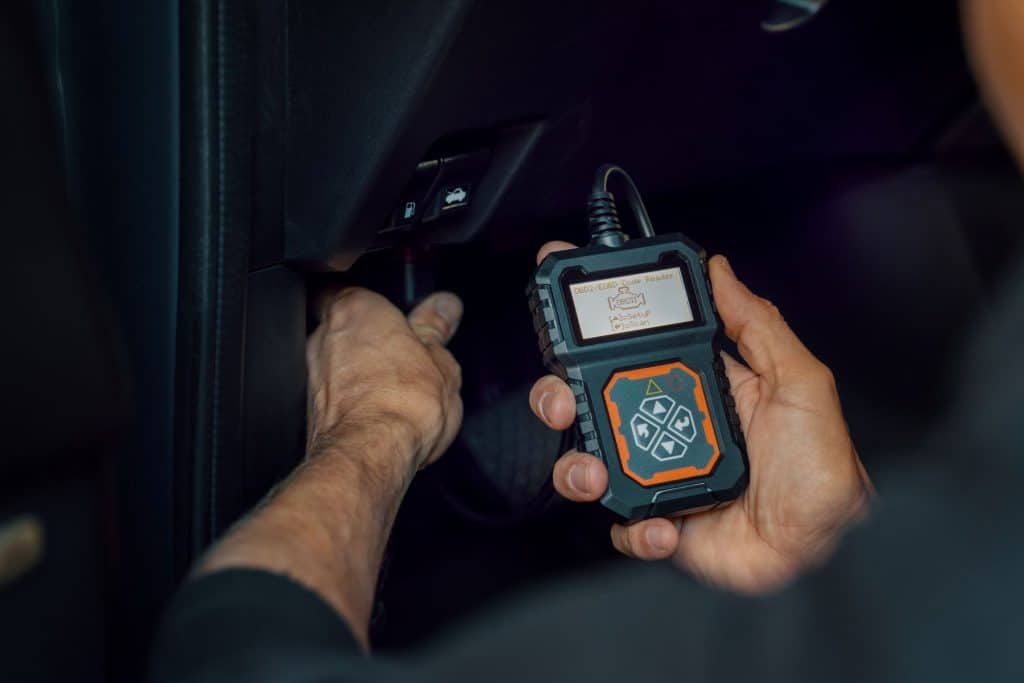
This is where delays and wasted spend usually happen – not because people are careless, but because many models have multiple engine variants that look similar on paper.
Before you buy (or travel to remove one), gather:
Matching the engine code is one of the simplest ways to avoid taking home a unit that doesn’t fit or won’t run correctly once installed.
There isn’t one best route for everyone. The right choice depends on the car, budget, how long you can have it off the road, and how much certainty you want up front.
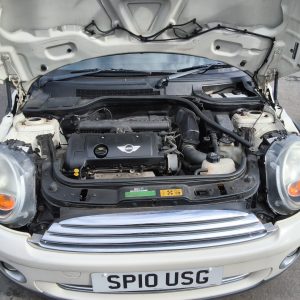
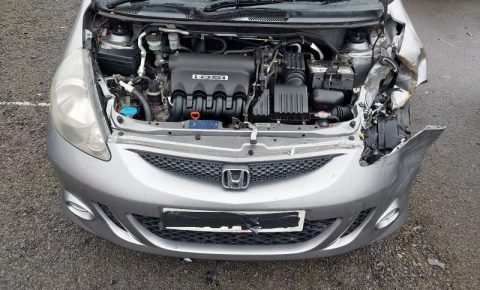
Used engines from breakers are often the best balance of price and convenience, especially if the engine is already pre-pulled and ready for collection or delivery. Condition and mileage vary, so you’re relying on the listing details and the seller’s terms.
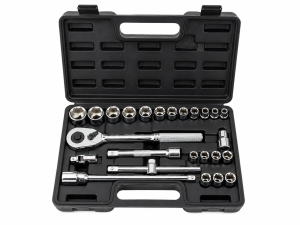
Pull-it-yourself engines can be more cost-effective if you’ve got the tools and time. You also get to see the donor vehicle before you remove anything. But it’s physical work, access can be awkward, and not every engine comes out cleanly on the day. At U-Pull-It though, we do have people there to assist you with anything you might need.
Used engines from salvage are a realistic option for many repairs. If you’re comparing that route, you can start by checking our stock page, then comparing against other reputable breakers. If the engine you want isn’t in stock right away, you can use our Bid and Breaker Service to give you access to pick parts from cars that go through Copart’s auctions, including Cat B vehicles, without needing a licence. This will help you if you go the engine rebuild route.
U-Pull-It has two UK sites – U-Pull-It York and U-Pull-It Edinburgh – so collection is most practical if one of those locations works for you.
You can also read the basics on what to expect before you go.
Pulling an engine isn’t “hard” in theory, but it’s rarely a quick job. Even experienced people can be slowed down by seized bolts, awkward access, and missing fixings.
A good plan is to decide in advance:
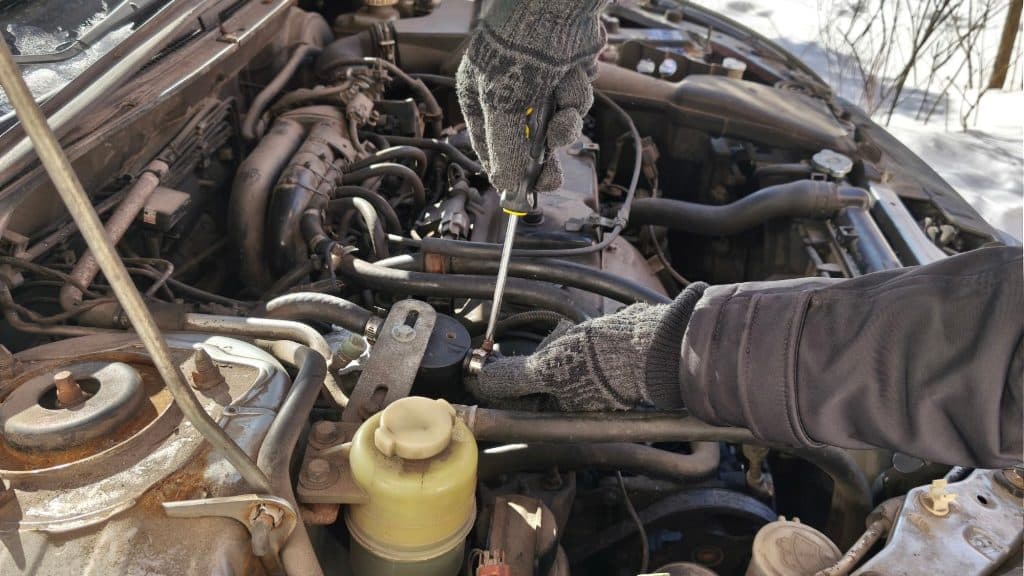
A used engine can be a solid buy, but it’s worth being methodical. You’re not just buying “an engine” – you’re buying a specific unit with a specific spec and a specific set of included parts.
Confirm:
Is a used car engine worth it?
Often, yes – especially if the rest of the car is in good shape. The key is buying the correct engine code and being clear on condition, included parts, and the seller’s terms.
What’s the difference between reconditioned and used?
Used usually means removed from a donor vehicle and sold as-is. Reconditioned typically means it’s been rebuilt or refreshed to some degree. Always ask what work has actually been done and what’s covered.
What if the repair isn’t worth it?
If the fitted cost comes out higher than the car’s value (or you can’t get parts quickly), you may decide it’s better to move the car on rather than repair it. If that’s where you land, you can explore your options via Cash For Cars, our sister company.
Next step
Confirm your engine code and make sure your fitter is happy with what needs transferring over (turbo, injectors, sensors, wiring, and so on). Then compare supply options.
If you’re considering a used engine, check the stock page first, save the listing details, and decide whether you want a pre-pulled engine or to remove one yourself. For site info, start with U-Pull-It York or U-Pull-It Edinburgh, and read this list of top tips when visiting a breakers yard before you travel.
We hope this guide has helped you. If it has, feel free to bookmark it so you can come back whenever you need it!