
Replacing your engine air filter is one of the simplest DIY car maintenance jobs you can do at home. The exact airbox location and fasteners vary by vehicle, but the process is broadly the same – open the airbox, swap the filter, and make sure everything seals properly afterwards.
This is usually done as part of your annual car service, but knowing how to do this can save you money in the long run.
If you find the airbox clips are brittle, the lid is cracked, or the intake hose is split, you can often replace those parts without buying new. Our Car Breaker and Bid & Breaker services can be a practical way to source airboxes, clips, and intake pipework from donor vehicles.
Your engine needs clean air to run properly. The engine air filter traps dust, grit and debris before air reaches the engine. Over time, it becomes clogged, which can restrict airflow and, in some cases, contribute to running issues.
A dirty or poorly fitted filter can be linked to:
Most manufacturers suggest changing the engine air filter at car service intervals. As a general guide:
If you’ve just bought a used car and you’re unsure when it was last done, changing the air filter is an easy baseline job.
If you’re picking up a vehicle as a project, our Drive Aways options can be a straightforward way to get started with something you can use, repair, or build into whatever you want next.
Air filters can look similar at a glance, but it’s the fit and seal that matter. A filter that’s the wrong size – even slightly – can leave gaps around the edges, allowing unfiltered air into the intake.
1) Use Your Registration Number First
Most car parts shops and online retailers let you look up an air filter by entering your registration number. It’s the quickest way to narrow it down.
Still, it’s worth double-checking the details before you buy, because some cars have more than one filter option.
2) Double Check The Basics
Make sure the listing matches your car’s:
Some models use different filters depending on trim level, facelift changes, or different versions of the same engine.
3) Check The Old Filter For A Part Number
If you can access the existing filter, look for a part number printed on the edge or frame. Searching that number is one of the most reliable ways to get an exact match.
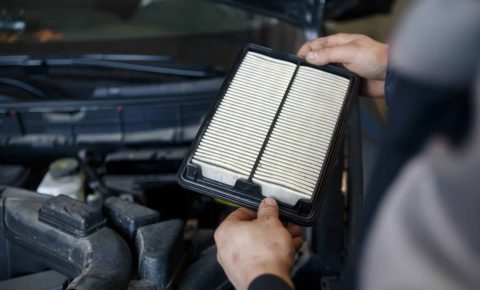
4) Compare The New Filter Before You Fit It
Before installing, compare the new filter to the old one:
If anything looks noticeably different, pause and re-check the part – don’t force it to fit.
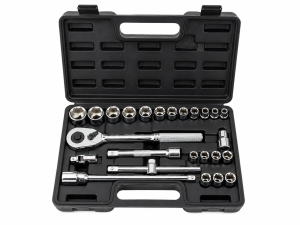
This job is usually tool-light. You’ll likely need:
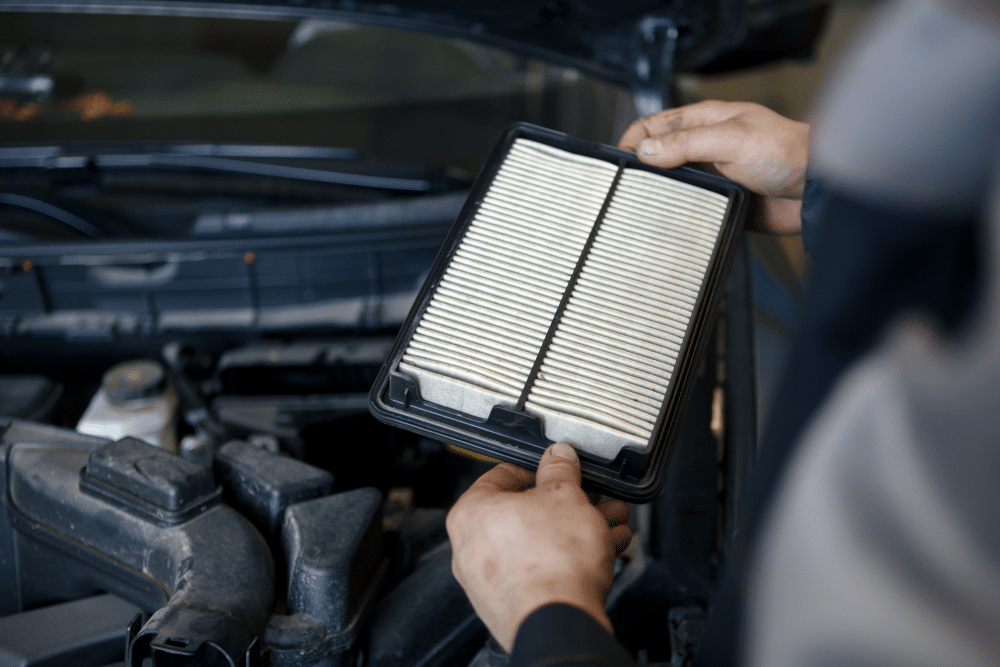
The air filter sits inside an airbox (a plastic housing) connected to the intake pipework. Depending on the car, the airbox might be:
Most airboxes are either:
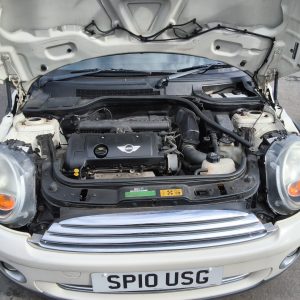
1) Open The Bonnet And Locate The Airbox
Look for a black plastic box with an intake hose attached. If you’re unsure:
Some vehicles have sensors fitted to the intake (often near the airbox). You don’t usually need to disconnect sensors for an air filter change.
2) Note How The Airbox Is Secured
Common fasteners include:
If it’s the first time you’ve done this, take a quick photo before you undo anything. It helps you put it back exactly the same way.
3) Undo The Clips Or Screws Carefully
Work evenly around the lid. Don’t force brittle plastic – especially on older cars where clips can snap.
Tip: if the lid won’t lift, check for hidden screws or a clip you’ve missed.
4) Lift The Lid And Remove The Old Filter
Often you can lift the lid just enough to slide the filter out without removing hoses. If access is tight, you may need to lift the lid higher or move a hose slightly – but avoid stressing sensors, wiring, or brittle pipework.
5) Clean Out Loose Debris From The Airbox
As you remove the filter, look for leaves or grit sitting in the airbox.
Wipe out any loose dirt and leaves. A light vacuum is fine if you can keep it away from the intake opening.
Avoid:
6) Fit The New Filter The Right Way Round
Most filters only fit properly one way. Seat it squarely in the housing:
A filter that doesn’t seal can allow unfiltered air past the edges.
7) Refit The Lid And Secure It Evenly
Close the lid carefully and reattach clips or tighten screws evenly.
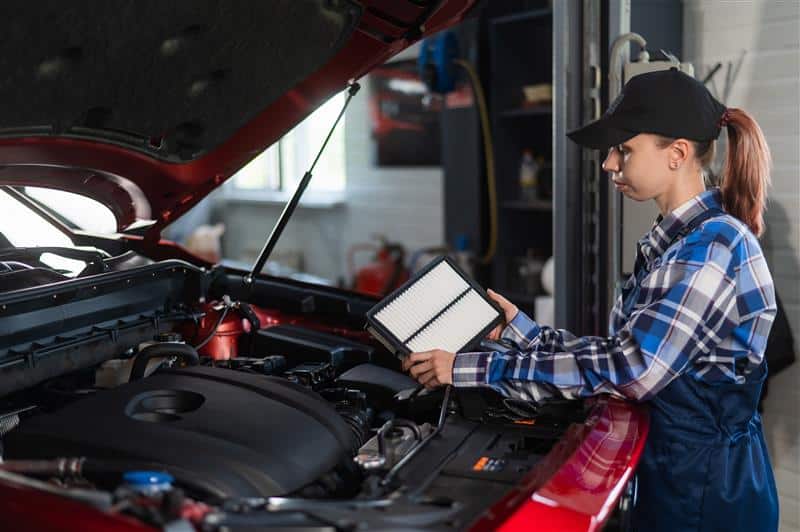
8) Final Checks
Before shutting the bonnet:
Start the engine and listen. A loud hissing, whistling, or “whooshing” noise can indicate an air leak or a lid that isn’t seated properly.
Changing the filter is also a chance to spot problems around it. Look for:
If the airbox can’t seal properly, the filter can’t do its job as intended.
Can I Drive With A Dirty Air Filter?
You can, but it’s not ideal. If it’s heavily clogged it can restrict airflow, and if it’s damaged or fitted poorly it can allow dirt into the intake.
Is This The Same As The Cabin (Pollen) Filter?
No. The cabin filter cleans air for the interior, while the engine air filter protects the engine. Both matter, and both are usually straightforward DIY jobs.
Do I Need To Disconnect The Battery?
Not normally. If your particular car requires removal of the battery cover or battery for access, follow your vehicle handbook guidance and take care around the battery terminals.
Once you’ve done it once, replacing an engine air filter becomes a quick, repeatable job – and it’s an easy way to stay on top of basic maintenance. If you find the airbox is cracked, missing clips, or not sealing properly, it’s worth sorting that before refitting the new filter.
U-Pull-It Members get 40% off parts, which can be excellent value across multiple repairs or projects. To see what’s currently available, visit U-Pull-It!