
When you are looking for used car parts, labels like Cat N, Cat S and Cat B can look confusing.
They are insurance write-off categories, and they give you a general idea of the type of damage a vehicle has had.
For U-Pull-It customers, the main question is simple: is the part you need still usable?
The category can help you judge that, but it is only a starting point. You should still check the condition of the part before removing it.
What do Cat N, Cat S and Cat B mean?
Cat N: non-structural damage
A Cat N vehicle has had non-structural damage.
This means the main structure of the vehicle has not been recorded as damaged. The problem may instead involve areas such as body panels, lights, electrics, trim or other components.
A Cat N vehicle can be a useful source of used parts, but do not assume every part is undamaged.
Check what caused the write-off and inspect the part you need carefully.
Cat S: structural damage
A Cat S vehicle has suffered structural damage.
That means part of the vehicle’s structure has been affected, such as a chassis section, sill or crumple zone.
There may still be plenty of usable parts on a Cat S vehicle, especially away from the damaged area.
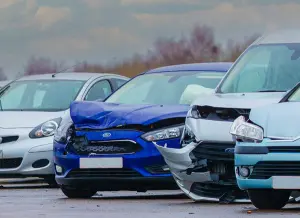
For example, a car damaged heavily at the front may still have usable rear lights, doors, interior trim or other components.
But be more cautious with anything close to the impact area. If a part looks bent, cracked or damaged, leave it.
Cat B: parts only
A Cat B vehicle cannot be repaired and returned to the road.
The vehicle is for breaking, which means usable parts can be removed before the body shell is destroyed.
That can make Cat B vehicles useful for people looking for replacement engines, gearboxes, panels, trim, wheels and other components.
The important difference is that the vehicle itself cannot be rebuilt for road use.
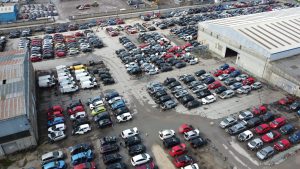
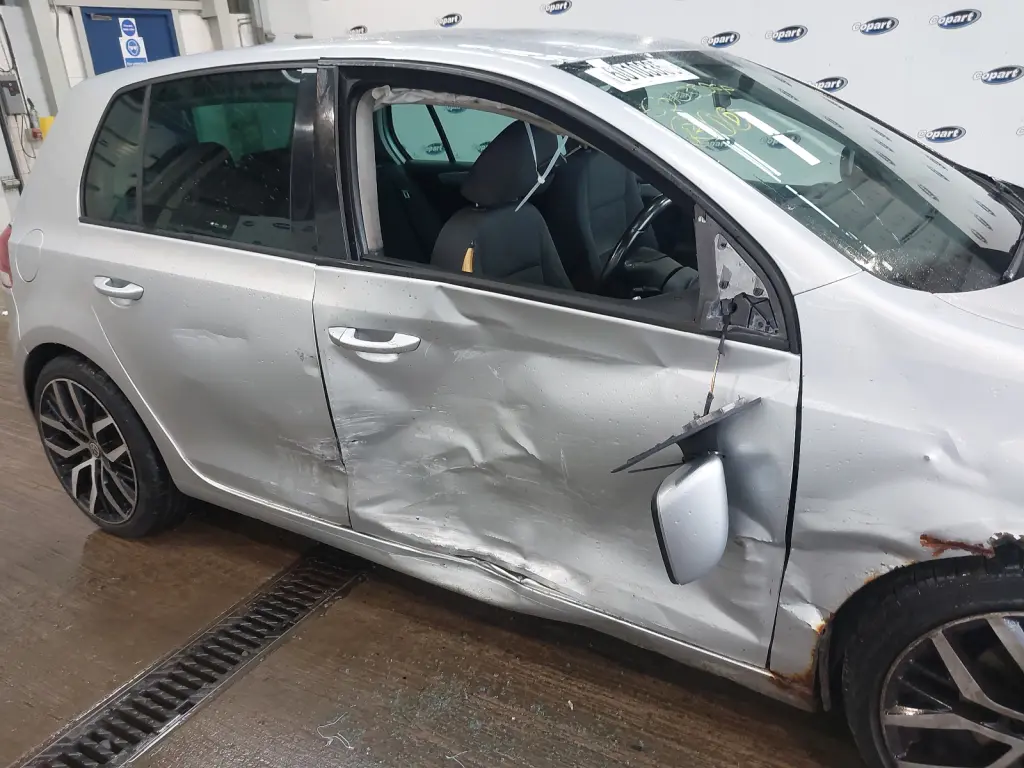
A Cat B vehicle is for parts only and cannot return to the road. If you are looking for a particular vehicle to break, U-Pull-It’s Bid & Breaker Service gives you access to Cat B vehicles through Copart auctions.
Why does the category matter when buying used parts?
The salvage category gives you some useful background before you start looking for a part.
For example, if you need a front wing and the vehicle has obvious front-end damage, it may not be the best choice. But the same vehicle could still have a perfectly usable rear light or interior part.
This is why it helps to look at where the vehicle is damaged, rather than judging it only by the category.
Cat N does not automatically mean every part is fine, and Cat S does not mean every part is unusable.
The condition of the individual part matters most.
What should you check before removing a part?
A few simple checks can help you avoid wasting time.
Before removing a used part:
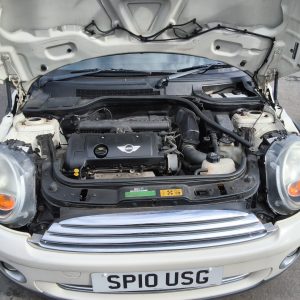
Some cars that look almost identical can use different parts depending on the engine, trim level or model year, so it is worth checking compatibility before you start removing anything.
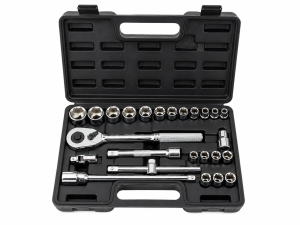
Before visiting, it is also worth reading how U-Pull-It works and checking the yard safety rules so you know which tools you can bring.
Can used parts save money?
Used parts can often be a practical option, particularly on older cars where buying brand-new replacements may not make financial sense.
They can also help with project cars, minor accident repairs or hard-to-find components.
There is a trade-off. Used parts may have scratches, marks or general wear, and availability can vary.
That is why checking the part before taking it is important.
What about safety-related parts?
Be more cautious with parts connected to safety.
If you are looking at braking, steering, suspension, airbags, seatbelts or other safety-critical components, make sure you are confident about their condition.
If you are unsure whether a used part is suitable, speak to a qualified mechanic before fitting it.
FAQs
Can Cat N cars go back on the road?
Yes. A Cat N vehicle can return to the road if it has been repaired properly and is roadworthy.
Can Cat S cars go back on the road?
Yes. Cat S vehicles can also return to the road after suitable repairs, provided they are roadworthy.
Can a Cat B car go back on the road?
No. Cat B vehicles are for parts only and cannot be repaired and returned to the road.
Which category is best for used parts?
There is no single best category. It depends on the part you need, where the vehicle is damaged and the condition of that individual component.
Find used parts at U-Pull-It
Cat N, Cat S and Cat B vehicles can all be useful sources of used car parts.
Search current U-Pull-It stock for the make and model you need, check the vehicle details, and inspect the part carefully before removing it.
If you are planning a visit, you can also find your nearest U-Pull-It yard before you travel.