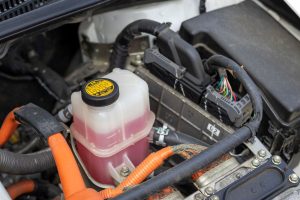

Starting basic car maintenance at home can feel expensive before you have even picked up a spanner. Some guides make it sound as if you need a full workshop before you can do anything yourself.
In reality, most home mechanics only need a small set of tools to get started. The smartest approach is to buy the basics first, add a few useful extras later, and leave specialist tools until a job actually calls for them.
Why the right tools matter
The right tools make car maintenance easier, safer and far less frustrating. They help you avoid rounded bolts, broken clips and the temptation to force the wrong tool to do the job.
That does not mean buying everything at once. It means starting with a few solid basics that will get used again and again.
What tools should I buy first?
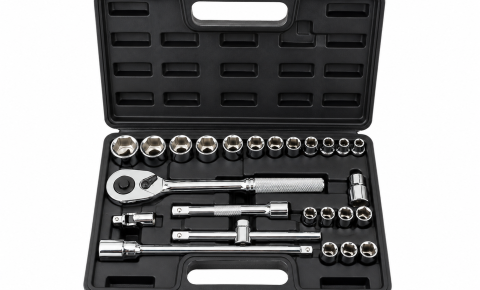
A metric socket set: This is usually the best place to begin. It is one of the most useful tools a home mechanic can own and will cover a wide range of basic jobs. A 3/8-inch drive set is a sensible all-around option for most home mechanics.
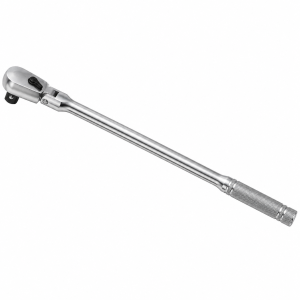
A ratchet and a few extension bars: One of these should be part of that same first purchase. They make socket work much easier, especially in tight spaces.
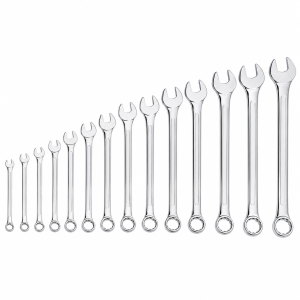
A combination spanner set: This is another essential. You will often need one where a socket will not fit, or to hold one side while turning the other.
A screwdriver set: It is also worth buying a mixed set of screwdrivers, Torx bits and Allen keys. Modern cars use more than just standard screws, so this gives you much better coverage from the start. You’ll need it for jobs as simple as changing the air filter, to something as complex as replacing the whole engine.
Pliers: Pliers are another early buy that make sense. Needle-nose pliers and side cutters are useful for clips, hoses, wiring and other fiddly jobs.
Bonus tip: A breaker bar is well worth having, too. It gives you extra leverage for stubborn bolts and saves wear on your ratchet.
Safety Gear: Safety gear belongs in this first group as well. Gloves and eye protection are basic essentials, and if you plan to lift the car at home, these should be treated as part of the core kit.
Once I have the basics, what should I buy next?
Once you have the basics, a torque wrench is one of the best next buys. It becomes important when you start working on wheels, brakes or other jobs where bolts need to be tightened properly.
Deep sockets are also useful, especially for longer studs and recessed fasteners. They are not always needed at first, but they quickly prove their value.
A good work light makes every job easier, especially in cramped or badly lit areas. A magnetic pickup tool is also worth adding early, as it can save a lot of frustration when a bolt disappears into an awkward gap.
If you plan to service your own car, this is also the point where an oil drain pan and funnel start to make sense.
What you should only buy when you need them:
Some tools are useful but do not need to be bought straight away. Oil filter pliers are a good example. They can make an oil change much easier, but they are still a job-specific tool rather than a universal first purchase.
The same goes for oil filter sockets, locking pliers, trim removal tools and multimeters. They all have their place, but they make more sense once you know what jobs you actually want to do.
As a rule, buy general tools first and specialist tools later.
Build your toolkit around the jobs you want to do:
Trying to buy everything at once usually leads to wasted money. A smaller toolkit built around real jobs is often more useful than a huge collection of tools that barely leave the drawer.
If you plan to service your own car, servicing tools will naturally move up the list. If you want to remove used car parts, practical hand tools like sockets, spanners, breaker bars and Torx bits will matter most. Either way, it makes more sense to build your toolkit in stages than to buy for every possible future job on day one.
FAQs
What is the first tool a home mechanic should buy?
A metric socket set is usually the best place to start because it covers so many basic car maintenance jobs.
Do I need a torque wrench straight away?
Not always. But it becomes important once you start working on wheels, brakes or anything else with specific tightening requirements.
Are oil filter pliers worth buying?
Yes, if you plan to service your own car. They are useful, but they are not essential for every beginner’s first toolkit.
Can I do basic car maintenance without specialist tools?
Usually, yes. Most beginners can do a lot with sockets, spanners, screwdrivers, pliers and the right safety equipment. Start with the tools you will use most, then make each repair go further with quality used parts.
Once you have a project of your own to get stuck into, browse U-Pull-It to find the used car parts you need for the next job and make your budget go a bit further.
Increment bidding allows Copart to increase your entered bid by one and only one increment in the event your entered bid is tied by a live virtual bidder. If your bid is the highest bid, then your bid will NOT be incremented. Our increments are based on the following table:
| Bid Range £ | Increment £ |
|---|---|
| 0 – 10 | 1 |
| 10 – 50 | 5 |
| 50 – 100 | 10 |
| 100 – 1,000 | 25 |
| 1,000 – 5,000 | 50 |
| 5,000 – 25,000 | 100 |
| 25,000 – 9,940,000 | 250 |
| 9,940,000 – 9,999,999.99 | 1000 |
Example 1: You checked the increment bid box and bid £ 15,000. Live auction bid is currently at £ 15,000 (a tie with your bid – unfortunately, it happens). Your internet bid is placed next at £ 15,100 (because you checked the increment bid box). The car sells to you at no more than £ 15,100 or to live auction bidder for £ 15,200 or more.
| Cookie | Duration | Description |
|---|---|---|
| __cf_bm | 1 hour | This cookie, set by Cloudflare, is used to support Cloudflare Bot Management. |
| cookielawinfo-checkbox-advertisement | 1 year | Set by the GDPR Cookie Consent plugin, this cookie records the user consent for the cookies in the "Advertisement" category. |
| cookielawinfo-checkbox-analytics | 11 months | This cookie is set by GDPR Cookie Consent plugin. The cookie is used to store the user consent for the cookies in the category "Analytics". |
| cookielawinfo-checkbox-functional | 11 months | The cookie is set by GDPR cookie consent to record the user consent for the cookies in the category "Functional". |
| cookielawinfo-checkbox-necessary | 11 months | This cookie is set by GDPR Cookie Consent plugin. The cookies is used to store the user consent for the cookies in the category "Necessary". |
| cookielawinfo-checkbox-others | 11 months | This cookie is set by GDPR Cookie Consent plugin. The cookie is used to store the user consent for the cookies in the category "Other. |
| cookielawinfo-checkbox-performance | 11 months | This cookie is set by GDPR Cookie Consent plugin. The cookie is used to store the user consent for the cookies in the category "Performance". |
| CookieLawInfoConsent | 1 year | CookieYes sets this cookie to record the default button state of the corresponding category and the status of CCPA. It works only in coordination with the primary cookie. |
| elementor | never | The website's WordPress theme uses this cookie. It allows the website owner to implement or change the website's content in real-time. |
| incap_ses_* | session | This is an Incapsula DDoS Protection and Web Application Firewall cookie that is used to relate HTTP requests to a certain session. |
| PHPSESSID | session | This cookie is native to PHP applications. The cookie stores and identifies a user's unique session ID to manage user sessions on the website. The cookie is a session cookie and will be deleted when all the browser windows are closed. |
| viewed_cookie_policy | 11 months | The cookie is set by the GDPR Cookie Consent plugin and is used to store whether or not user has consented to the use of cookies. It does not store any personal data. |
| visid_incap_* | 1 year | Incapsula sets this cookie to provide cloud-based website security services. |
| Cookie | Duration | Description |
|---|---|---|
| mailchimp_landing_site | 1 month | MailChimp sets the cookie to record which page the user first visited. |
| Cookie | Duration | Description |
|---|---|---|
| ___utmvc | less than a minute | The ___utmvc cookie is installed by Google Analytics to gather data on the user's site usage. This data is then used to compile reports and improve the site. |
| _ga | 1 year 1 month 4 days | Google Analytics sets this cookie to calculate visitor, session and campaign data and track site usage for the site's analytics report. The cookie stores information anonymously and assigns a randomly generated number to recognise unique visitors. |
| _ga_* | 1 year 1 month 4 days | Google Analytics sets this cookie to store and count page views. |
| _gat_gtag_UA_* | 1 minute | Google Analytics sets this cookie to store a unique user ID. |
| _gid | 1 day | Google Analytics sets this cookie to store information on how visitors use a website while also creating an analytics report of the website's performance. Some of the collected data includes the number of visitors, their source, and the pages they visit anonymously. |
| _hjSession_* | 1 hour | Hotjar sets this cookie to ensure data from subsequent visits to the same site is attributed to the same user ID, which persists in the Hotjar User ID, which is unique to that site. |
| _hjSessionUser_* | 1 year | Hotjar sets this cookie to ensure data from subsequent visits to the same site is attributed to the same user ID, which persists in the Hotjar User ID, which is unique to that site. |
| sbjs_current | session | Sourcebuster sets this cookie to identify the source of a visit and stores user action information in cookies. This analytical and behavioural cookie is used to enhance the visitor experience on the website. |
| sbjs_current_add | session | Sourcebuster sets this cookie to identify the source of a visit and stores user action information in cookies. This analytical and behavioural cookie is used to enhance the visitor experience on the website. |
| sbjs_first | session | Sourcebuster sets this cookie to identify the source of a visit and stores user action information in cookies. This analytical and behavioural cookie is used to enhance the visitor experience on the website. |
| sbjs_first_add | session | Sourcebuster sets this cookie to identify the source of a visit and stores user action information in cookies. This analytical and behavioural cookie is used to enhance the visitor experience on the website. |
| sbjs_migrations | session | Sourcebuster sets this cookie to identify the source of a visit and stores user action information in cookies. This analytical and behavioural cookie is used to enhance the visitor experience on the website. |
| sbjs_session | 1 hour | Sourcebuster sets this cookie to identify the source of a visit and stores user action information in cookies. This analytical and behavioural cookie is used to enhance the visitor experience on the website. |
| sbjs_udata | session | Sourcebuster sets this cookie to identify the source of a visit and stores user action information in cookies. This analytical and behavioural cookie is used to enhance the visitor experience on the website. |
| vuid | 1 year 1 month 4 days | Vimeo installs this cookie to collect tracking information by setting a unique ID to embed videos on the website. |
| Cookie | Duration | Description |
|---|---|---|
| _fbp | 3 months | Facebook sets this cookie to display advertisements when either on Facebook or on a digital platform powered by Facebook advertising after visiting the website. |
| test_cookie | 15 minutes | doubleclick.net sets this cookie to determine if the user's browser supports cookies. |
| VISITOR_INFO1_LIVE | 6 months | YouTube sets this cookie to measure bandwidth, determining whether the user gets the new or old player interface. |
| VISITOR_PRIVACY_METADATA | 6 months | YouTube sets this cookie to store the user's cookie consent state for the current domain. |
| YSC | session | Youtube sets this cookie to track the views of embedded videos on Youtube pages. |
| yt-remote-connected-devices | never | YouTube sets this cookie to store the user's video preferences using embedded YouTube videos. |
| yt-remote-device-id | never | YouTube sets this cookie to store the user's video preferences using embedded YouTube videos. |
| yt.innertube::nextId | never | YouTube sets this cookie to register a unique ID to store data on what videos from YouTube the user has seen. |
| yt.innertube::requests | never | YouTube sets this cookie to register a unique ID to store data on what videos from YouTube the user has seen. |
| Cookie | Duration | Description |
|---|---|---|
| cookies.js | session | No description available. |
| elementor_split_test_client_id | 1 year | No description available. |